Things to Do · walking route
Danube Promenade Walking Guide
Walk a coherent Budapest Danube route with World Heritage context, respectful memorial attention, realistic bridge choices, weather planning and a live transport exit.

The short version
What matters
- Choose one riverbank segment and one bridge or landmark connection rather than attempting the whole Danube in a single walk.
- Give the Shoes on the Danube Bank memorial quiet time and use current official context rather than treating it as a photo stop.
- Use the forecast and BudapestGO to scale the walk, choose an accessible surface and leave with a live public-transport option.
01
Choose one river thread
The Danube Promenade is not a task to complete from one end of Budapest to the other. Choose one coherent riverbank segment, a start, one or two pauses and an exit. A Pest-side route can frame Castle Hill and bridges; a memorial-led route can begin or end near the Shoes on the Danube Bank; a central river walk can pair with one bridge or a nearby civic street. The right segment depends on time, weather, access and what you want the river to explain.
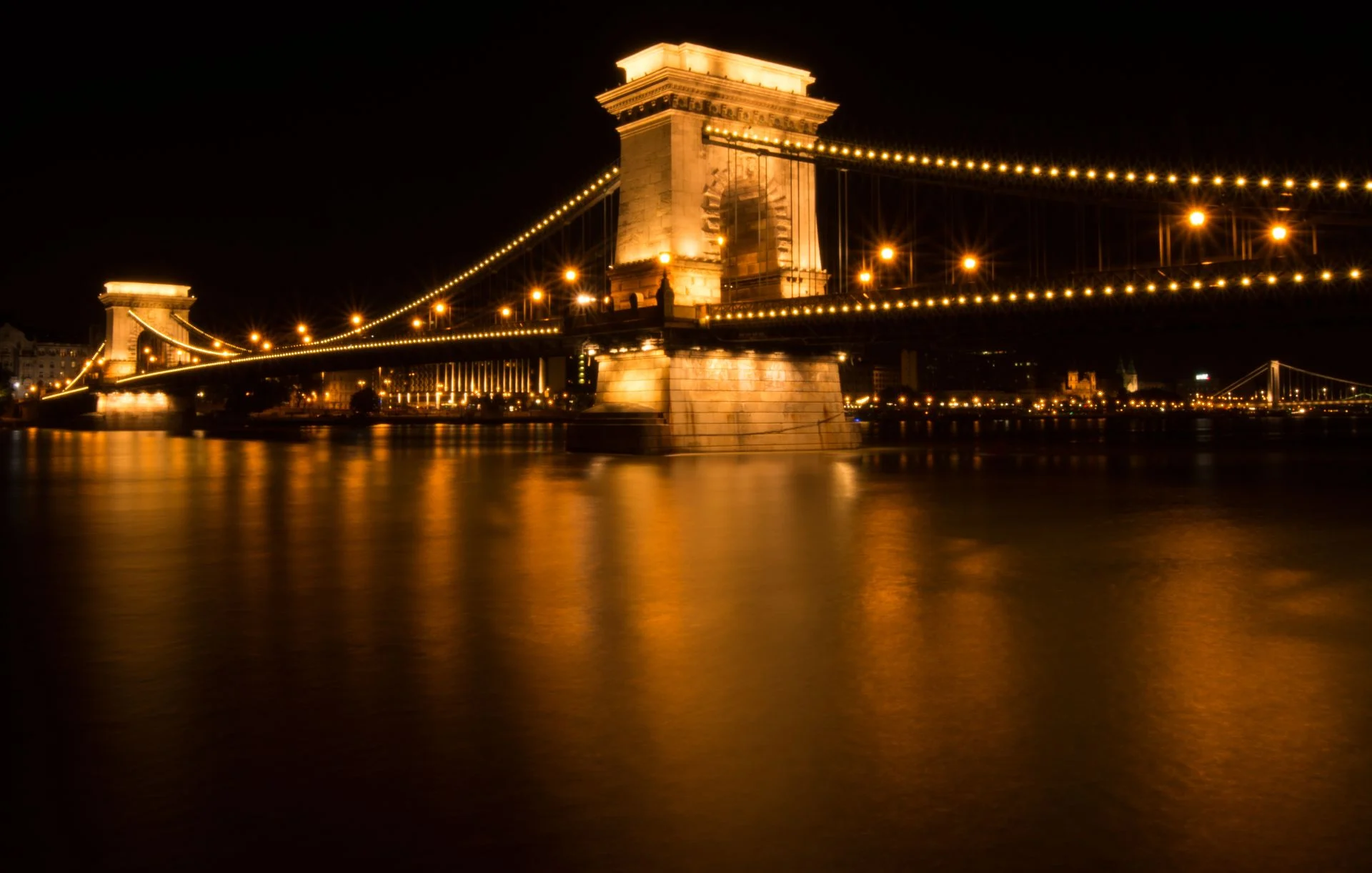
A smaller route makes the landscape legible. From the bank, notice the difference between Buda’s hills and Pest’s flatter street grid, the bridge connections and the way public buildings meet the water. UNESCO’s World Heritage listing places the Danube banks within Budapest’s wider historic urban landscape; use that context to look carefully rather than rushing through a panorama on the way to another reservation.
For a first visit, write the route in a single sentence: for example, ‘from a named Pest-side stop to a river view, a quiet memorial pause, then a known exit.’ That sentence exposes excess immediately. If it also contains three museums, two bridge crossings and a hill climb, split the day. Keep enough unplanned time to pause at a safe rail-side view, wait for companions and respond to conditions without making every minute feel late.
Sources: unesco-budapest, budapestinfo-city-walks
02
Start with a live route and exit
Use BudapestGO before leaving to choose the actual start and finish, account for current service changes and avoid making the return an afterthought. A river route can look short on a map while requiring extra time for crossings, crowds, weather, toilets, a memorial pause or a detour around works. Choose a named stop at both ends and keep a simple alternative if the day becomes too hot, wet or tiring.
Do not assume every bridge or embankment connection will be equally accessible or pleasant. Check the exact approach when a mobility aid, pushchair, limited walking distance or a specific surface matters. A good promenade route can be shortened at any time; leaving early on a tram or bus is not failure. It is how a public walk remains a helpful part of the day rather than an exhausting obligation.
Save the route while you have a connection and tell companions the endpoint in ordinary words, not only by a pin. If one person needs a break, decide whether the group will pause together or meet at the nominated exit. That small agreement prevents a riverside walk from becoming a navigation test. Live journey information is advice for the present day, so check it again before the return rather than relying on a morning screen.
Sources: bkk-go, bkk-accessibility
03
Give the Shoes memorial quiet attention
The Shoes on the Danube Bank is a Holocaust memorial, not a decorative riverside object. If it belongs to your route, decide before arriving that it will receive a quiet pause rather than a quick photograph between drinks or bridge selfies. Read the official context, make room for people who are remembering or grieving and allow different companions to respond privately. A river route can include beauty and history without reducing one to a backdrop for the other.
Do not sit on, touch or rearrange the memorial elements, block others’ access or stage a reaction for the camera. If personal photography is appropriate in the public setting, keep it brief and secondary to attention. The memorial may prompt questions about history, persecution and responsibility; write those down for later study rather than trying to produce a complete explanation at the riverbank. Respect includes admitting what a short visit cannot contain.
For families and groups, use simple advance language: this is a place to slow down, observe quietly and leave room for other people. Do not force a response or turn a child’s uncertainty into a public lesson. Afterwards, choose a calmer place to talk, read the cited official material and follow up with reliable historical study. A respectful visit is not completed by an image or a checklist; it can lead to further attention after the walk ends.
Sources: shoes-danube-budapest-info
04
Choose a bridge for connection, not coverage
A bridge can be the route’s deliberate transition, but it does not need to be crossed merely because it appears on a list. Choose one when it connects the next part of the day: perhaps a Buda-side continuation, a different river perspective or a clear public-transport return. Check weather, wind, crowding and the live route first. A bridge is shared movement space, not a private viewpoint reserved for a long photo setup.
Keep to pedestrian areas, do not stop in narrow flows and use an alternate riverbank view if the crossing is uncomfortable. A bridge can show how the two sides of the city relate, but the same relationship is visible from a calm bench or promenade segment. The walk is stronger when a crossing has a purpose, not when the group adds every bridge and arrives at the next neighbourhood without energy to notice it.
Before crossing, decide what changes on the other side. Will the route end at the first stop, continue toward Castle Hill, or simply return to the same bank? If the answer is vague, stay where you are. The city’s river relationship is already visible from either shore. A purposeful bridge crossing gives the route a clear middle; an unplanned crossing often doubles the walking distance and removes the time needed for rest or an indoor fallback.
Sources: bkk-go, hungaromet-climate, unesco-budapest
05
Use river views to read the city
The riverbank gives a useful frame for Parliament, Castle Hill, bridges, the ridge line and the contrast between Buda and Pest. Choose one place to stand safely and look for a few minutes rather than stopping every few metres for the same photograph. Notice changing sightlines as the bank moves, and let a building appear in relationship to water, traffic, paths and the opposite hill rather than as an isolated landmark.
Photography is secondary to shared public space. Take a small number of permitted personal images without blocking walkers, cyclists or memorial visitors, then move on. Do not climb railings, enter closed river facilities or use a drone without the necessary authorisation. A truthful river image can include weather, commuters, boats and crowds; Budapest does not need to become empty before a photograph is worthwhile.
Try one looking exercise before taking out a phone. Name the nearest bridge, then identify what is behind it, what is moving across it and how the view changes when you turn toward the street. This turns a famous panorama into a lived city rather than a downloaded image. It also makes a short route satisfying: one attentive viewpoint can communicate more than a hurried sequence of nearly identical photographs.
Sources: unesco-budapest, district-v-municipality
06
Let weather set the route length
The Danube is exposed. Check the immediate forecast, bring water or layers, and reduce the distance in heat, rain, wind, ice or poor visibility. A sunny central-Pest morning can become a difficult afternoon on an open embankment. Do not use the fact that a promenade is flat or free as a reason to force a long route when the conditions are consuming the group’s attention.
In difficult weather, keep the river as a short orientation view and pair it with a nearby indoor or transport option that has its own current conditions. In good weather, still use shade, breaks and a clear endpoint. The strongest river walk is not measured in kilometres. It is measured by whether people have enough comfort to notice the view, the memorial context and the city’s changing scale.
Build weather decisions into the invitation, especially with visitors who may feel obliged to continue. Say that a ten-minute river orientation is a valid version of the plan. Bring an extra layer for slower viewing, refill water before the exposed segment and keep phones protected in rain. If wind makes conversation, balance or comfort difficult, use the nearest practical exit. Conditions are part of the itinerary, not an inconvenience to ignore.
Sources: hungaromet-climate, bkk-go
07
Plan access from surfaces and pauses
A waterfront route can include kerbs, paving changes, crowd bottlenecks, bridge gradients, seating gaps and busy crossing points. Use BKK’s current accessibility guidance for the approach and choose a segment with a manageable surface, a known rest point and an uncomplicated exit. Do not promise a fully step-free, quiet or easy route from a generic riverside photograph. The exact block and riverbank side matter.
Choose the version of the route that works for the group: perhaps one memorial pause and one view, a shorter central stretch, or a public-transport ride to a river-level outlook. That is not a reduced walk. It is the route that preserves energy for looking and reflection. Access planning makes the riverbank usable as public space rather than turning a scenic idea into a sequence of avoidable obstacles.
Ask about needs before the route begins, without making anyone justify them. A person may need regular seating, predictable toilets, a short surface transition, lower noise or an option to wait in shelter. Plan around that information and make it normal to change course. When an exact condition cannot be confirmed from official sources, describe the uncertainty plainly and choose a conservative alternative. Honest planning is more useful than an attractive but absolute accessibility claim.
Sources: bkk-accessibility, bkk-go, district-v-municipality
08
Respect people who share the promenade
The riverbank serves residents, commuters, workers, visitors, cyclists, families and people with personal relationships to the memorials and views. Keep the path clear, lower group volume near quiet sites, allow faster users through and avoid treating public benches or railings as a photo set. A small group can take turns looking without forming a wall across the route.
Do not make strangers part of a staged travel scene, direct people out of a frame or assume that a quiet moment means nobody else needs the space. If a place is crowded, change the angle or continue to the next public pause. Shared etiquette is how a river walk remains pleasant without making the city perform for the people carrying a guidebook.
Use the same care after dark or during events. Stay in open public areas, follow temporary signs and do not assume a daytime shortcut, waterside stair or crossing feels appropriate later. Agree on a meeting point before anyone steps away for food, a restroom or a different view. This basic group awareness protects the calm pace that makes a river route worthwhile and reduces the temptation to hurry across unfamiliar streets.
Sources: district-v-municipality, bkk-go
09
Pair one river route with one nearby purpose
A Danube Promenade walk is strongest when it supports one nearby activity at the same geographic scale: a District V street, a public-square pause, a Castle Hill view across the river, one confirmed museum or a simple meal. Choose one and stop. Do not turn the river into an excuse to cross repeatedly between Buda and Pest, add several hill climbs and then rush through the place you came to understand.
This pairing gives the route a weather and time fallback. If a planned interior is closed, retain the river and a nearby public street; if the walk runs long, let the nearby purpose go. A coherent route is more memorable than a maximum list. The river should be the thread that connects the day’s attention, not the strip of scenery between unrelated bookings.
Make a light reservation only after checking whether the river segment leaves enough travel and pause time. A meal or museum should support the walk, not dictate a speed that makes the memorial and view meaningless. If you want to compare the banks, choose one side to experience on foot and use a later transit ride or planned bridge crossing to connect. Geographic restraint is what leaves space for a genuine change of plan.
Sources: budapestinfo-city-walks, buda-castle-district, bkk-go
10
Use the promenade day-of check
Before leaving, choose the exact start, memorial or bridge pause, endpoint and live BKK exit. Check the forecast, public-space conditions, access needs and the official memorial context. Bring water, set a realistic route length and name one alternate if weather, works or group energy changes. For a group, agree that the memorial pause has priority over photography and social scheduling.
On the day, follow public signs, make room for others and end the walk while everyone can still enjoy it. If the river conditions are difficult, take the shorter segment or use the planned transport connection without guilt. The Danube Promenade is most valuable as a calm public route through Budapest’s landscape and memory—not a compulsory endurance walk or a backdrop for hurried photographs.
Sources: unesco-budapest, shoes-danube-budapest-info, bkk-go, hungaromet-climate
Evidence, not footnotes in the dark
Sources
- Budapest World Heritage listingUNESCO World Heritage Centre · checked 9 July 2026
- Shoes on the Danube Bank official visitor informationBudapest Info · checked 9 July 2026
- Belváros-Lipótváros District V municipalityBelváros-Lipótváros Municipality · checked 9 July 2026
- Budapest city walksBudapest Info · checked 9 July 2026
- BudapestGOBKK · checked 9 July 2026
- BKK accessible transportBKK · checked 9 July 2026
- Budapest climate data seriesHungaroMet · checked 9 July 2026
- Buda Castle Palace District official informationBudavári Palotanegyed · checked 9 July 2026