Things to Do · heritage
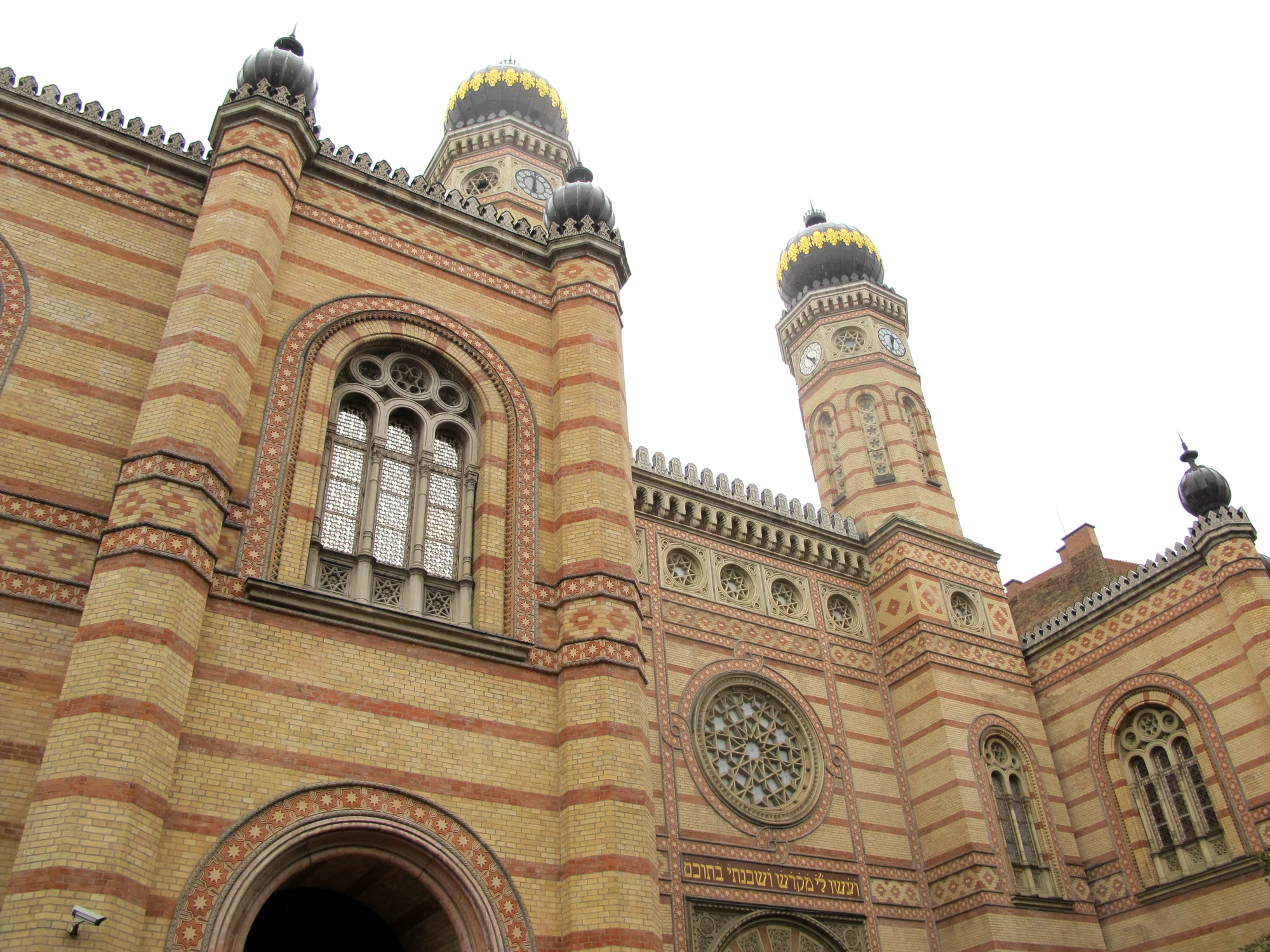
Dohány Street Synagogue Guide
Plan a respectful Dohány Street Synagogue Complex visit with official ticket checks, religious-space etiquette, memorial awareness, access decisions and a calm Jewish Quarter route.

Places, with bearings
Keep the city in view
Use the map for orientation, then use the linked guide and official sources for the decision that matters.
Mapped places
- Dohány Street Synagogue Complex
A Jewish heritage complex and working religious site where tickets, dress, security, worship and community context all matter.
Open in OpenStreetMap ↗
Map data © OpenStreetMap contributors · Tiles © OpenFreeMap
The short version
What matters
- Build the day around one confirmed complex visit rather than assuming an interior will be open during a Jewish Quarter walk.
- The operator publishes changing opening, ticket-office, holiday and food rules; verify the exact conditions shortly before travel.
- Approach the synagogue, memorial spaces and the living Jewish Quarter with attention rather than treating them as a backdrop for a generic nightlife route.
01
Choose a respectful purpose
The Dohány Street Synagogue Complex is not simply a famous interior on a crowded city-break list. It is a religious and cultural site in a living Jewish community, and it also contains places connected with memory. Decide why you are going before you enter: to attend a confirmed visitor visit, to understand part of Jewish Budapest, to spend time with the architecture, or to make room for remembrance. That purpose should determine the pace, the questions you ask and what else you schedule around it.
A first trip does not require a claim that you have understood a whole community or the full history of Budapest’s Jewish life after one complex visit. The more honest goal is orientation: listen to the institution, notice the difference between worship, heritage and memorial space, and leave with questions for further reading. If the day already has several emotionally or physically demanding stops, choose a shorter exterior route or move the visit to another day.
Sources: mazsihisz-jewish-community, dohany-synagogue-tickets
02
Confirm entry with the operator
Use the synagogue complex’s official ticket information immediately before travel. The operator publishes visitor hours, ticket-office cut-off conditions, holiday notices and temporary changes. Schedules can be shorter on particular dates and the complex can close for Jewish holidays, so a general map listing or a screenshot from an old itinerary is not adequate. Check the date you will actually visit, then build the day around the confirmed window.
Arrive with margin for the entrance, ticket process, security procedures and the fact that a busy central street does not make entry instantaneous. If the official conditions no longer fit the plan, do not search for an unofficial workaround or pressure staff to honour an outdated promise. Use an exterior view, a different Jewish Quarter thread, a museum or a quiet nearby pause, and keep the complex as a future visit with the right amount of time.
Sources: dohany-synagogue-tickets
03
Treat special days as live conditions
Religious calendars, observance, events and operator needs can change access. The official ticket page publishes closures and shortened conditions and specifically asks visitors to observe food rules during Passover. Read these notices as part of planning, not as an inconvenience attached after the booking decision. A synagogue is not a museum whose availability can be assumed to follow a standard tourist timetable every week of the year.
Do not make your own interpretation of what is permitted on a holiday or in a religious space. Follow the current published instructions, allow staff to set the day-of boundaries and choose a different part of Budapest if the site is closed. This gives the visit its proper context: visitors are guests in a space with religious life and community responsibilities, rather than customers entitled to an interior at a preferred time.
Sources: dohany-synagogue-tickets, mazsihisz-jewish-community
04
Prepare for the complex, not one photograph
A complex visit can include more than the street façade. Give yourself time to understand the route, read the operator’s presentation and move without trying to compress every room, garden or memorial point into a fast photo circuit. The most useful visit is often slower: one guided or self-directed thread, a little time for the spaces that require quiet, and a clear point at which the group leaves rather than adding more interiors because the ticket has been purchased.
Before entering, put the phone in its proper place in the plan. Photography may be subject to current rules, and any permission is secondary to the character of the space and the comfort of other visitors. Do not block doors, staff or worshippers to recreate a social-media angle. Let the architecture and history be something you look at directly. A few respectful notes about what you want to research later are more valuable than a hurried set of images that leaves no attention for the visit.
Sources: dohany-synagogue-tickets, mazsihisz-jewish-community
05
Follow religious-space etiquette
Read and follow the operator’s current directions about entry, dress, bags, food, drink, photography, security and movement through the complex. Rules can change by route, programme and day, so avoid importing assumptions from another synagogue, church or museum. If you do not understand an instruction, ask the staff member responsible rather than guessing. The practical rules are how the site remains workable for visitors, community life and everyone sharing the space.
Etiquette also has a human dimension that no checklist can replace. Keep voices low, avoid treating people who are praying or working as part of a travel scene, and give others room to read or remember in silence. Do not make jokes or staged reactions in memorial areas. Respect does not mean acting fearful or pretending expertise; it means noticing where you are, being willing to learn, and changing your behaviour when the place calls for care.
Sources: dohany-synagogue-tickets, mazsihisz-jewish-community
06
Give memory space instead of a scripted reaction
Parts of a synagogue-complex visit can raise questions about antisemitism, persecution, loss, survival and the continued life of Jewish communities. Do not treat a memorial element as a quick emotional cue before returning immediately to shopping or nightlife. Let the complex set the tone, read the information provided, and allow each companion to respond privately or talk later. Quiet attention is more meaningful than a compulsory statement or a performance of grief for the camera.
A respectful visitor also knows the limits of a short visit. The complex can introduce historical questions, but it cannot carry every person’s family history or explain all of Jewish Budapest by itself. Save questions, seek out Jewish institutions, archives and reliable historians for further context, and be cautious about repeating a remembered fact without checking it. The goal is not to leave with a slogan; it is to leave more capable of careful listening.
Sources: dohany-synagogue-tickets, mazsihisz-jewish-community
07
Keep the living community in view
Mazsihisz describes synagogues as places of prayer, study and community meeting, and lists Dohány Street among Hungary’s active synagogue landscape. That context matters. The complex is not a sealed historical set, and the surrounding district is not an open-air museum. A visit can acknowledge religious and cultural continuity without trying to assign a single identity or experience to every Jewish person, resident or business you encounter nearby.
Let curiosity be specific and modest. Read a community or institutional source, choose a confirmed programme if one genuinely interests you, and resist turning a broad label such as ‘Jewish Quarter’ into a claim about what people should eat, how they should look or what their neighbourhood should provide visitors. A better route connects one institutional visit with a few ordinary streets and leaves room for the fact that current city life is more complex than a themed itinerary.
Sources: mazsihisz-jewish-community, district-vii-municipality, budapestinfo-attractions
08
Build a small Quarter route around it
After a confirmed complex visit, choose one short public-street sequence, one pause and one finish. The surrounding streets are dense, but density is not an instruction to collect every nearby pin. A simple route might begin with the synagogue complex, continue through a few public streets at a pace that allows ordinary life to remain ordinary, pause for food or a seat, then end with a direct transport connection or a separately planned cultural stop.
Do not force a historical visit, a long food crawl, a ruin-bar evening and several other interiors into the same block of time simply because the map is compact. Those activities can have different tones and may deserve separate days. The route is coherent when the complex remains the anchor and any meal, street walk or evening plan supports rather than eclipses it. If the group’s attention has already been well used, finishing early is an informed choice.
Sources: budapestinfo-city-walks, district-vii-municipality, bkk-go
09
Separate heritage from nightlife
District VII has residential, cultural, religious, memorial, commercial and evening-life dimensions. They do not need to become one product. Decide in advance whether you are visiting the complex as the main cultural activity, then make an evening plan separately if it matters. This prevents the common mistake of rushing through a space of worship and memory because a louder reservation or bar list is waiting a few streets away.
If you continue into the evening, end the synagogue-complex visit properly first. Allow time to leave, regroup and change the day’s tone without treating the neighbourhood as a backdrop for behaviour that would be inappropriate near a religious or memorial site. Check current venue and transport conditions directly, respect residents and do not assume that the most publicised nightlife route is the only or best way to spend time in Budapest.
Sources: district-vii-municipality, bkk-go, budapestinfo-attractions
10
Plan access from the exact route
Historic pavements, crowds, kerbs and an institution’s individual entrance can create a different experience from what a generic accessibility label suggests. Use the complex’s current visitor information and contact the operator if an access need, mobility aid, stroller, sensory concern or reduced walking distance is material to the decision. For the journey, check BKK’s live accessibility information; central Pest does not guarantee that every stop and connection will be equally comfortable.
Choose the version of the day that works for the people actually travelling. It may be one confirmed interior, a limited exterior route, a nearby seated pause and a straightforward return. That is not an inferior heritage visit. It is the route that preserves energy for listening and understanding instead of spending the whole day overcoming surfaces, queues or assumptions that should have been checked before leaving accommodation.
Sources: dohany-synagogue-tickets, bkk-accessibility, bkk-go
11
Use weather and crowd conditions to reduce the radius
The complex offers an indoor anchor, but the approach and Quarter route still depend on weather and crowd conditions. In heat, build in water, shade and a shorter outdoor sequence; in rain, connect the confirmed interior to a close meal or transport stop; in winter, do not leave a memorial or exterior route until everyone is cold and hurrying. Check the immediate forecast rather than treating a seasonal average as a day-of plan.
Crowds deserve the same flexible response. If the street is congested, use a nearby parallel public route or go directly to the next calm stop. Do not push through a doorway, cluster on a narrow pavement or turn a complex visit into an endurance test. A small route with time to pay attention is more useful than a larger route where logistics and discomfort erase everything you came to learn.
Sources: hungaromet-climate, bkk-go, dohany-synagogue-tickets
12
Make group decisions before arrival
A group should agree on the basics before the official visitor window: whether the complex is the shared anchor, how the group will enter and meet, who has checked current rules, what happens if a person does not want to visit, and where the group will pause afterwards. Do not arrive with a large party expecting individual decisions at the entrance to produce a smooth shared visit. Contact the operator in advance when a group’s size or needs make the ordinary process uncertain.
Give companions permission to have different levels of attention. One person may want to read every panel, another may need a shorter route, another may find memorial content personally weighty and another may simply need a seat. A respectful group does not make every visitor perform the same response. Clear meeting points, practical patience and a calm exit are enough to let people experience the complex without either isolation or pressure.
Sources: dohany-synagogue-tickets, bkk-go, mazsihisz-jewish-community
13
Continue learning beyond a single institution
Use the synagogue complex as one point of entry into Jewish Budapest, not an endpoint. If a detail, name, ritual or historical period interests you, write down the question and seek a source with the right authority: a Jewish community institution for contemporary community information, an archive or museum for documents and collections, or a historian for broader interpretation. This approach makes room for complexity rather than asking one place to answer every question about faith, identity, loss and cultural life.
Return to the city with precision in your language. Say what you saw at this institution rather than claiming what every Jewish person, every synagogue or every Budapest resident thinks. Avoid turning a moving visit into a sweeping social-media summary. The better outcome is durable curiosity: a smaller set of accurate observations, awareness of what you do not know, and a reason to revisit Budapest through another institution or a different question.
Sources: mazsihisz-jewish-community, dohany-synagogue-tickets
14
Use the Dohány day-of check
Before leaving, open the official ticket page and confirm the current visitor hours, ticket-office cut-off, holiday notice, food rules and any changed conditions for the exact date. Decide whether the group is prepared for a religious and memorial site, check the live BKK approach, and plan one modest street or meal continuation. If an access need matters, ask the operator before travelling rather than trying to solve it in a crowded entrance queue.
On the day, arrive calmly, follow staff instructions, give the complex enough time and leave when the shared visit has reached its natural end. If a closure, weather condition, group need or emotional response changes the plan, choose a different respectful Quarter route without guilt. Dohány Street Synagogue is most meaningful as a prepared visit to a living religious and cultural space, not as a hurried photo stop between unrelated Budapest attractions.
Sources: dohany-synagogue-tickets, bkk-go, hungaromet-climate
Evidence, not footnotes in the dark
Sources
- Dohány Street Synagogue Complex tickets and visitor informationDohány Street Synagogue Complex · checked 9 July 2026
- Federation of Jewish Communities in HungaryMazsihisz · checked 9 July 2026
- Erzsébetváros District VII municipalityErzsébetváros Municipality · checked 9 July 2026
- Budapest attractionsBudapest Info · checked 9 July 2026
- Budapest city walksBudapest Info · checked 9 July 2026
- BudapestGOBKK · checked 9 July 2026
- BKK accessible transportBKK · checked 9 July 2026
- Budapest climate data seriesHungaroMet · checked 9 July 2026